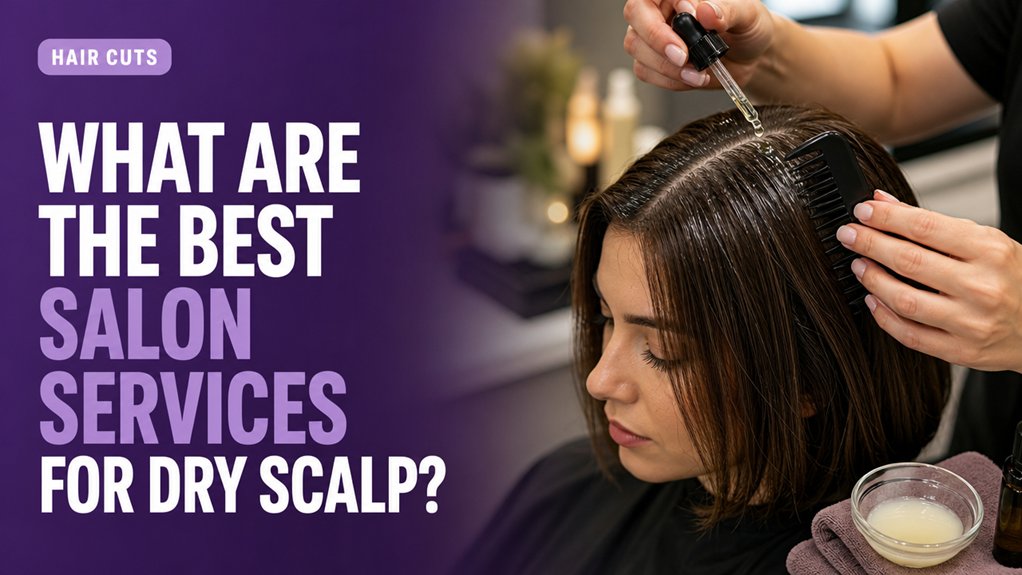
What Are the Best Salon Services for Dry Scalp?
Salon professionals treat dry scalp through targeted services including deep-cleansing scalp detox, hydrating scalp facials, steam therapy, and hot oil treatments — each addressing insufficient sebum production and compromised barrier function. Licensed practitioners use diagnostic tools like trichocameras and moisture meters to classify the condition accurately before selecting any intervention. This precision prevents misapplied remedies from worsening sensitivity. Those curious about which specific service matches their scalp condition — and how each one works — will find the full breakdown ahead.
Key Takeaways
- Professional trichology consultations use high-magnification cameras and moisture meters to accurately diagnose dry scalp before selecting targeted treatments.
- Deep-cleansing scalp detox removes sebum, buildup, and pollutants, allowing hydrating serums and masks to penetrate more effectively.
- Exfoliating scalp masks with salicylic acid loosen dead skin cells and scales without damaging the scalp’s lipid barrier.
- Hydrating scalp facials use actives like hyaluronic acid and niacinamide to bind moisture and strengthen the scalp barrier.
- Head spa treatments combine scalp massage and steam application to boost circulation and enhance absorption of hydrating compounds.
Why Dry Scalp Needs Professional Salon Treatment
Dry scalp develops when sebaceous glands produce insufficient sebum, leaving the scalp without adequate natural lubrication or moisture retention. Without professional evaluation, distinguishing true dryness from oily dandruff or inflammatory microirritations remains difficult, often leading to misapplied home remedies that worsen sensitivity.
Professional trichology consultations bridge cosmetology and dermatology, providing paramedical-level assessments that accurately identify underlying scalp conditions. High-magnification trichocameras enlarge the scalp up to 400 times, revealing hidden dandruff, clogged follicles, excess sebum, and microinflammation invisible to the naked eye. This diagnostic precision enables targeted treatment selection rather than generalized care.
Accurate salon-based diagnosis prevents counterproductive self-treatment, guarantees appropriate intervention, and supports measurable improvements in scalp health, comfort, and hair quality over time. Clogged follicles compromise the scalp’s ability to release its natural conditioning oils, further intensifying dryness and flakiness when left unaddressed by professional care. Treatments such as keratin smoothing can simultaneously strengthen hair while improving overall scalp conditions when administered by trained stylists experienced in assessing individual hair and scalp needs.
Regular shampooing removes surface dirt but cannot fully break down heavy oils, styling residue, or dead skin that accumulates on a dry scalp over time. Deep scalp cleansing dissolves this stubborn buildup using professional-grade exfoliants and cleansers that everyday products are simply not formulated to replicate. Salon treatments also utilize wintergreen-derived salicylic acid to gently exfoliate the scalp surface, lifting impurities without stripping the skin of its remaining moisture.
Which Dry Scalp Salon Service Matches Your Condition?
Not all dry scalp conditions share the same clinical profile, which means a single standardized treatment won’t deliver consistent results across different presentations. Matching the correct service to the specific condition is essential for effective outcomes.
Not every dry scalp is the same — accurate condition matching is what separates temporary relief from lasting results.
Mild tightness with minimal flaking responds well to hydrating scalp rituals using botanical actives and massage to restore moisture balance. Visible flaking and mild dandruff require flake-control systems that regulate sebum alongside delivering hydration.
Sensitive, itchy scalps with redness or burning need soothing botanical therapies that calm irritation without disrupting the scalp barrier. Where buildup, oily roots, or product residue compounds dryness, an exfoliating scalp reset with targeted boosters addresses underlying congestion before hydration is applied.
Accurate condition assessment before treatment selection determines whether a client achieves short-term relief or sustained scalp health improvement. Blue Tit Salons offers a Scalp Therapy Blow-Dry that includes a personalised scalp analysis to identify sensitivity, dryness, oiliness, and irritation before treatment begins. Steam opens cuticles, allowing serums and masks to penetrate more effectively and enhance the overall results of hydrating scalp treatments.
For those seeking a more comprehensive approach, a Japanese Head Spa uses a 300x microscope consultation to analyze scalp and hair roots before treatment, ensuring the selected protocol directly targets the client’s specific dry scalp condition. Stylists trained in continuous professional education are better equipped to identify nuanced scalp conditions and recommend the most appropriate treatment protocol for lasting results.
How Salons Diagnose Your Dry Scalp Before Treatment

Before selecting any treatment protocol, salons conduct a structured diagnostic process to accurately identify the nature and severity of a client’s scalp condition. Clinicians begin with a detailed intake covering symptom history, product use, chemical services, and systemic factors. Visual inspection under daylight-balanced magnification follows, evaluating flake type, erythema, and sebum distribution. Tactile evaluation confirms tightness, tenderness, and residue presence. Scalp hair consultations represent an estimated 17.5% of dermatology consultations, underscoring how frequently scalp conditions require structured clinical attention.
| Diagnostic Method | Tool Used | Data Captured |
|---|---|---|
| Hydration assessment | Moisture meter | Stratum corneum water content |
| Sebum measurement | Sebum analyzer | Oil production by scalp zone |
| Follicle inspection | Digital trichoscope | Scaling, redness, follicle condition |
| pH evaluation | pH meter/strips | Barrier integrity via acidity level |
Findings collectively guide accurate condition classification before any treatment begins. Cosmetology programs, such as those offered at PJs College of Cosmetology, provide foundational training in scalp anatomy and assessment, equipping graduates to recognize common scalp conditions and conduct basic evaluations within their professional scope of practice. Specialists such as Lorraine Hawkins, a trichologist based at a clinic in Knutsford, further advance this diagnostic expertise through dedicated clinical trichology education designed specifically for hair professionals. Studios like Mosaic Hair Studio in Orlando pair diagnostic insights with personalized hair care advice from skilled stylists trained to address diverse hair and scalp types across their client base.
Deep-Cleansing Scalp Detox for Dry Scalp Buildup

Once the salon has mapped the scalp’s hydration levels, sebum output, and follicle condition, targeted treatment can begin—and for clients presenting with buildup-related dryness, a deep-cleansing scalp detox is typically the first intervention.
Targeted scalp treatment begins only after hydration levels, sebum output, and follicle condition have been thoroughly mapped.
The process removes excess sebum, dead skin cells, sweat, styling residue, and environmental pollutants that clog follicles and block moisturizing treatments from penetrating effectively.
Salon protocols commonly combine clarifying shampoos with chemical exfoliants such as salicylic acid or zinc PCA to loosen compacted cells while preserving the scalp’s natural lipid barrier.
Pre-cleanse oils rich in vitamin E lift debris while adding hydration.
Double cleansing follows, with fingertip massage lasting 30–120 seconds to minimize friction.
If flaking or redness persists post-detox, clinicians recommend reassessment, as ongoing symptoms often indicate the need for medicated rather than stronger cleansing formulations. Buildup commonly results from layering styling polymers, waxes, and silicone-containing products, as well as incomplete rinsing and under-cleansing of the scalp rather than the lengths alone. For clients with mineral or hard-water deposits, a chelating clarifying shampoo may be incorporated into the detox protocol to dissolve stubborn residue that standard clarifying formulas cannot fully address. Professional scalp treatments are recommended every 4–6 weeks to allow sufficient time between sessions for the scalp to rebalance without risk of over-stripping or irritation.
Hydrating Scalp Facials That Restore Moisture Fast
Hydrating scalp facials address moisture-deficit conditions directly by delivering humectants, emollients, and barrier-supportive actives to the stratum corneum in a structured, multi-step service. Protocols typically include sulfate-free cleansing, light exfoliation, mask application, and a leave-on serum finish.
| Active Ingredient | Function |
|---|---|
| Saccharide isomerate (~3%) | 72-hour hydration retention |
| Hyaluronic acid (~2%) | Water binding, elasticity support |
| Niacinamide (~3%) | Barrier strengthening, sebum balance |
| Glycerin/betaine | Humectant moisture draw |
These services suit dry, tight, or flaky scalps with impaired barrier function, including curly and coily hair types prone to chronic dehydration. Lukewarm water and gentle surfactants preserve existing lipid content throughout the treatment. Dermatologists recommend avoiding hot water and aggressive detergents before and after sessions to maintain results. Prior to any scalp facial, weekly scalp exfoliation using fingertip massage or a soft bristle brush in circular motions helps remove dead skin and allows treatments to penetrate more effectively. Buildup from styling products, sebum, and dead skin cells can block moisturizers and treatments from reaching dehydrated scalp skin, making product buildup removal an essential preparatory step before salon hydration services. Clients experiencing scalp dryness may also benefit from addressing nutritional deficits, as inadequate intake of omega-3 fatty acids and vitamins A, B, and C can undermine scalp barrier function and reduce the lasting impact of topical salon treatments.
Head Spa Treatments for Dry, Irritated Scalps
Head spa treatments address dry, irritated scalps through a structured, multi-step cleansing process that removes follicle-clogging sebum, pollutants, and product buildup before introducing hydrating compounds.
Scalp massage, a core component of head spa protocols, improves microcirculation by approximately 120% above baseline and redistributes natural sebum to relieve localized dryness and reduce flaking.
Steam application further enhances treatment absorption by softening keratinized debris and opening the scalp surface to lipid-rich serums and calming oils. Aromatherapy scalp oils such as tea tree, lavender, and rosemary are commonly introduced at this stage to calm irritation and balance sebum production across the scalp surface.
Treatments are customized based on scalp condition, with product formulas selected to address oiliness, dryness, sensitivity, or damage, ensuring that targeted, effective care is delivered rather than a generalized approach.
The massage component also delivers nutrients and immune cells to the scalp through improved circulation, supporting skin health and reinforcing the overall effectiveness of the treatment.
Multi-Step Cleansing Process
Effective head spa treatment for dry, irritated scalps begins with a structured, multi-step cleansing process that addresses buildup, barrier compromise, and sensitivity without aggravating the condition.
Professionals sequence each step deliberately to balance thorough cleansing with protective care:
- Pre-wash oils applied in sections and left 10–30 minutes soften buildup and reinforce barrier function before shampoo contact
- First cleanse uses a gentle or clarifying shampoo containing salicylic acid, limited to once weekly, targeting scalp rather than lengths
- Second cleanse applies a moisturizing shampoo to restore comfort and hydration following buildup removal
- Lukewarm water and fingertip massage replace hot water and nail contact, minimizing lipid loss and micro-injury throughout rinsing
Wash frequency stays within every three to five days to prevent over-stripping while controlling buildup effectively. At-home salicylic acid pre-wash treatments, such as those formulated at 2% salicylic acid, can complement professional sessions by gently exfoliating dead skin cells and reducing excess oil between appointments. Soothing agents such as panthenol, castor oil, and witch hazel further support recovery by calming irritation and minimizing itch, addressing scalp barrier balance alongside exfoliation. Those managing conditions such as psoriasis or seborrheic dermatitis should consult their treating provider before introducing any new products into their routine, as medical supervision required for these conditions ensures treatments do not interfere with existing care.
Hydrating Scalp Massage Benefits
Once the cleansing process has cleared buildup and stabilized the scalp environment, hydrating scalp massage builds on that foundation by actively restoring moisture and reinforcing barrier function. Hyaluronic acid serums and emollient oils draw water into deeper dermal layers while reducing transepidermal water loss. Simultaneously, specialized massage techniques increase microcirculation to hair follicles by up to 25%, improving oxygen delivery, nutrient uptake, and metabolic waste clearance.
This dual action—topical hydration combined with vascular stimulation—addresses dryness, tightness, and irritation at both the surface and tissue level. Clients typically experience reduced itching and improved moisture levels after initial sessions. With consistent application over approximately 24 weeks, standardized massage protocols also demonstrate measurable improvements in hair thickness, confirming long-term structural benefits beyond immediate symptomatic relief. Professional head spa treatments often incorporate essential oils and warm towel wraps during the massage phase to further intensify hydration absorption and soothe surface irritation.
For those dealing with flaking, itchiness, or seborrheic dermatitis, a professional head spa experience also includes a thoughtful scalp analysis at the start to identify specific concerns and tailor the treatment accordingly. Depending on the client’s hair type, practitioners may select targeted carrier oils such as argan oil for dry or damaged hair, rosehip oil for sensitive scalps, or jojoba oil for normal hair, ensuring the massage delivers oil tailored hydration that best supports individual scalp and hair needs.
Steam-Enhanced Treatment Absorption
Warm steam—delivered through dedicated head spa equipment—opens scalp pores and lifts cuticle scales, enabling conditioners, oils, and treatment actives to penetrate the hair cortex and follicular openings far more effectively than topical application alone.
Moist heat softens keratin, swells hair fibers, and loosens sebum buildup, creating ideal conditions for uniform product infusion. Professional-grade micro-mist and nano steam machines produce smaller steam particles that penetrate hair more effectively than many at-home steamers.
Steam-enhanced treatments deliver measurable benefits across several mechanisms:
- Cuticle expansion allows hydrating agents to infuse along dry, brittle fiber lengths
- Softened keratin increases retention of moisture-rich treatment compounds
- Loosened sebum and dead-cell accumulation exposes the scalp surface for consistent topical contact
- Dilated superficial vessels improve nutrient and oxygen delivery to follicles during active treatment
Since hair fiber holds roughly 10% water, targeted steam hydration directly counteracts dehydration-related brittleness while amplifying treatment efficacy.
Hot Oil Treatments That Deeply Nourish Dry Scalp

Hot oil treatments work by delivering warmth and emollient-rich formulas directly to the scalp, addressing dry scalp at both the surface and follicular level.
Increased temperature enhances blood circulation, improving nutrient delivery to follicles while the occlusive oil layer reduces transepidermal water loss. Oils like jojoba closely mimic natural sebum, restoring lipid balance without heavy residue, while properly diluted tea tree or peppermint oil calms irritation and reduces itching.
In salon settings, oil is warmed indirectly to preserve nutrients, applied in sections, and massaged in circular motions for 5–10 minutes before a 20–30 minute covered penetration period.
Weekly or biweekly sessions typically yield reduced flaking, softer scalp skin, and improved root-level shine, making hot oil therapy especially effective for dry, brittle, or seasonally stressed scalps.
Exfoliating Scalp Masks That Clear Dry Scalp Flakes
Exfoliating scalp masks address dry scalp flakes through three distinct mechanisms—chemical, physical, and enzymatic—each targeting dead cell accumulation, product buildup, and scalp barrier disruption at different depths.
Scalp exfoliation works through chemical, physical, and enzymatic action—each targeting flakes, buildup, and barrier damage at different depths.
Salon-grade formulations combine active ingredients strategically to maximize efficacy while preserving scalp moisture:
- Salicylic acid acts keratolytically, softening and loosening adherent scales without aggressive mechanical force
- Piroctone Olamine targets fungal drivers of flaking, addressing dandruff at its microbial source
- AHAs paired with salicylic acid reduce excess sebum and visible flakes simultaneously
- Physical exfoliants like apricot seed powder and brown sugar mechanically lift impurities while nourishing oils prevent moisture loss
Clinically supported products like Nutrafol’s Build-Up Blocker demonstrate measurable scalp dryness improvement within four weeks, applied one to three times weekly depending on sebum levels.
Anti-Dandruff Salon Treatments That Reduce Visible Flaking
Salicylic acid scalp therapy works by chemically exfoliating the stratum corneum, loosening adherent scale and reducing the dense flake accumulation characteristic of seborrheic dermatitis.
Salon professionals frequently incorporate salicylic acid as a keratolytic pre-treatment step, preparing the scalp surface for subsequent antifungal actives by clearing debris and improving ingredient penetration.
When paired with structured exfoliating anti-dandruff regimens, salicylic acid amplifies overall treatment efficacy, making it a clinically rational component of tiered in-salon protocols targeting visible flaking.
Salicylic Acid Scalp Therapy
Keratolytic in mechanism, salicylic acid scalp therapy works by loosening corneocyte attachments so that compacted scale, dead skin, and flakes detach and rinse away cleanly—making it a clinically supported option for dandruff, seborrheic dermatitis, psoriasis, and eczema.
Clinical evidence supports its efficacy across multiple formulations and protocols:
- A 2% salicylic acid shampoo produced statistically significant dandruff score reductions over 4 weeks versus placebo
- Piroctone olamine–salicylic acid combinations matched or outperformed ketoconazole and zinc pyrithione shampoos in scaling severity and affected area
- A selenium sulfide–salicylic acid shampoo reduced dandruff, redness, itching, and oiliness in seborrheic dermatitis patients
- A multi-acid medicated shampoo containing salicylic acid eliminated yellow scales in 87.5% of cases versus 12.5% for controls
Salon application targets the scalp directly, with 2–5 minute contact times and gentle fingertip massage.
Exfoliating Anti-Dandruff Regimens
While salicylic acid works chemically to break down compacted scale, salon professionals also employ mechanical and enzymatic exfoliation regimens that physically clear flakes, decongest follicles, and restore scalp balance—offering a complementary approach for clients managing dandruff, seborrheic dermatitis, and chronic dry scalp.
Enzyme-based protocols utilize papaya enzymes alongside centella asiatica, oat protein, and peppermint to dissolve dead cells and calm inflammation during approximately 90-minute sessions incorporating steam application and pre- and post-treatment scalp scanning. Mechanical exfoliation services, including scalp microdermabrasion using fine crystals or NIODerma technology, physically lift flakes and debris while stimulating circulation.
Deep scalp detox therapies combine intensive cleansing, exfoliation, and hydrating masks across 60–75-minute sessions. Together, these regimens normalize flaking, reduce sebum imbalance, and create a healthier scalp environment for sustained dandruff control.
Deep Conditioning Treatments for Lasting Dry Scalp Relief
Deep conditioning treatments deliver concentrated emollients and humectants directly to scalp tissue and hair shafts, providing more intensive hydration than daily conditioners can achieve.
Salon protocols rebuild the moisture barrier using ceramides, hyaluronic acid, and natural oils, reducing flaking, itch, and chronic dryness over time.
Professional applications typically follow this evidence-based protocol:
- Cleansing with sulfate-free shampoo preserves essential scalp oils before mask application
- Masks apply close to the roots for severe dryness, particularly on tightly curled hair types
- A 20–30 minute contact time maximizes absorption before a cool-water rinse seals conditioning agents
- Weekly treatments paired with reduced wash frequency (two to three times per week) sustain long-term hydration benefits
Key ingredients—coconut oil, jojoba oil, aloe vera, and honey—reinforce these outcomes through humectant and anti-inflammatory action.
Biotic Scalp Systems That Restore Your Scalp’s Natural Balance

Salon-applied biotic systems combine prebiotics, probiotics, and postbiotics with pH-balanced cleansers to restore microbial diversity. Prebiotic agents like inulin and alpha-glucan oligosaccharides nourish beneficial flora and improve hydration.
Topical probiotics—including *Lactobacillus ferment lysate*—inhibit pathogenic strains and reduce inflammation. Clinical data spanning 4–24 weeks demonstrate significant reductions in dandruff severity and scalp inflammation, with microbiome profiling confirming normalized microbial balance. Consistent application produces measurable improvements in dryness, flaking, and scalp comfort.
How Scalp Massage Boosts Dry Scalp Treatment Results
Incorporating scalp massage into dry scalp treatment protocols amplifies therapeutic outcomes through several well-documented physiological mechanisms.
Manual stimulation enhances microcirculation, delivering oxygen and nutrients directly to follicles while clearing metabolic waste. This creates ideal conditions for tissue repair and moisture retention. Massage also mechanically loosens flakes and product residue, allowing active ingredients to penetrate more effectively.
Key benefits of integrating scalp massage into dry scalp care include:
- Improved circulation supporting follicle health and skin barrier renewal
- Sebum redistribution reducing localized dry patches and visible flaking
- Mechanical exfoliation clearing dead cells for better treatment absorption
- Enhanced product penetration maximizing interaction between therapeutic agents and target tissue
Regular massage paired with topical treatments produces cumulative improvements, strengthening both professional and at-home dry scalp regimens.
How Steam and Heat Drive Deeper Scalp Hydration
Salon steam treatments use moist heat at approximately 40–49°C to raise hair cuticle scales and open scalp pores, enabling conditioning agents and hydrating serums to penetrate more effectively into both the hair cortex and scalp tissue.
Heat simultaneously increases stratum corneum water content by roughly 15–25%, softening corneocytes and reducing visible flaking associated with dry scalp conditions.
Technicians extend these moisture gains by applying humectant-rich and ceramide-dominant occlusive products within 60–90 seconds post-steam, counteracting the transient TEWL increase of approximately 37% that follows heat exposure.
Heat Boosts Ingredient Absorption
Heat transforms how deeply hydrating ingredients penetrate the scalp by shifting the stratum corneum‘s lipid structure from a tightly packed orthorhombic phase to a more permeable hexagonal phase—a changeover that occurs between approximately 35–47°C.
Research confirms several measurable outcomes during heat application:
- Diffusivity increases: Elevated temperature raises molecular kinetic energy, reducing membrane resistance and accelerating ingredient movement.
- Solubility improves: Heat enhances partitioning and solubility of actives within the stratum corneum.
- Permeation amplifies: A 10°C temperature rise produces 1.4–3.0× greater skin penetration.
- Microcirculation activates: Vasodilation and increased dermal blood flow facilitate ingredient clearance deeper into tissue.
These mechanisms work collectively, meaning thermally assisted treatments don’t just deposit ingredients onto the scalp—they drive those ingredients meaningfully through it.
Steam Extends Moisture Retention
Where dry heat accelerates ingredient absorption by altering lipid phase behavior, steam takes hydration a step further by delivering moist heat that actively increases the scalp’s internal water content and reinforces barrier function. Steam swells the hair cuticle, creating pathways for water molecules to penetrate the cortex, while temporarily opening scalp pores to facilitate deeper epidermal hydration. Repeated sessions improve elasticity, reduce breakage, and relieve flakiness linked to chronic dryness.
| Condition | Steam Effect |
|---|---|
| Low-porosity hair | Opens tightly closed cuticles for moisture penetration |
| Dry, damaged strands | Restores internal hydration lost to heat styling or chemical treatments |
| Dry scalp with flakiness | Hydrates stratum corneum, reducing microfissures and visible scaling |
Occlusive products applied post-steam seal retained moisture, extending hydration benefits beyond the treatment window.
How Often Should You Book Dry Scalp Treatments?
Booking frequency for dry scalp treatments typically depends on symptom severity, with most salon and head spa protocols placing dry or sensitive scalps on a 2–4‑week schedule.
Clinicians and scalp specialists commonly structure timing as follows:
- Severe or chronic dryness: intensive sessions every 10–15 days for 6–12 treatments before moving to maintenance
- Moderate dryness: appointments every 2–3 weeks to sustain hydration and control flaking
- Mild or stabilized dryness: maintenance intervals extended to every 4–6 weeks
- Long-term upkeep: monthly visits serve as a reliable baseline, adjusted based on ongoing symptom response
Once symptoms stabilize, most providers shift clients toward 4–6‑week or monthly schedules.
Seasonal detox treatments complement this rhythm, while hydrating sessions remain more frequent throughout active dry-scalp phases.
At-Home Products Your Stylist Recommends for Dry Scalp
Salon visits set the treatment cadence, but what clients use between appointments largely determines how well results hold.
Stylists consistently recommend shampoos formulated with glycerin, hyaluronic acid, panthenol, and plant-based oils like jojoba and argan to sustain moisture and reduce flaking. Nécessaire The Shampoo and Jupiter Balancing Shampoo rank among top picks for balancing gentle cleansing with hydration.
For targeted relief, pre-shampoo oils containing castor oil, argan oil, and botanical extracts like ginger root and nettle applied for at least 30 minutes before washing deliver intensive conditioning. Moroccanoil Dry Scalp Treatment performs well for severely dry, flaky scalps.
Weekly exfoliation using dpHUE ACV Scalp Scrub removes buildup without stripping moisture, while anti-dandruff shampoos with pyrithione zinc address yeast-related dryness between professional treatments.
Frequently Asked Questions
Can Dry Scalp Salon Treatments Affect Color-Treated or Chemically Processed Hair?
Dry scalp salon treatments can affect color-treated or chemically processed hair. Strong acids accelerate color fading, while PHAs and enzyme-based treatments preserve vibrancy. Professionals recommend spacing exfoliation at least seven days from color services.
Are Dry Scalp Salon Services Safe During Pregnancy or Hormonal Changes?
While strong chemical services pose risks, gentle dry scalp salon treatments—like hydrating masks and zinc pyrithione shampoos—remain safe during pregnancy, as minimal systemic absorption occurs when professionals apply mild, formaldehyde-free products in well-ventilated environments.
How Long Do the Results of a Single Dry Scalp Treatment Last?
A single dry scalp treatment’s results typically last 2–4 weeks, though advanced options like Hydrafacial Keravive extend benefits to 4–6 weeks. Hair type, treatment intensity, and home care routines markedly influence how long results persist.
Can Children or Teenagers Safely Receive Professional Dry Scalp Treatments?
Teenagers aged 12 and older can safely receive professional dry scalp treatments using ketoconazole or mild emollients. Children under 12 require medical guidance, as potent actives like clobetasol and high-concentration salicylic acid carry significant pediatric safety contraindications.
Does Health Insurance or FSA Coverage Apply to Medical Scalp Treatments?
Health insurance covers medically necessary scalp treatments—like psoriasis or seborrheic dermatitis—when properly documented. FSA/HSA funds apply under IRS Section 213(d). Importantly, PRP injections remain nearly universally classified as cosmetic, making them ineligible for coverage across commercial plans.
Conclusion
Dry scalp may feel like a minor inconvenience, but left unaddressed, it’s a clinical condition that compounds over time. Professional salon treatments—from scalp facials to steam therapy—don’t just offer temporary comfort; they deliver measurable, structural improvements in scalp hydration and barrier function. Clients who combine in-salon protocols with stylist-recommended home care consistently outperform those relying on drugstore solutions alone. The scalp’s health ultimately dictates hair’s future—investing in one protects the other.
References
- https://www.salonandparlour.com/salon-treatments-for-dry-hair/
- https://www.thepressroomsalon.com/yourhairjournal/the-best-salon-treatments-for-dry-and-damaged-hair
- https://www.aveda.com/scalp-massage-treatment-services
- https://www.iconicsalonsc.com/about-5
- https://www.byrdie.com/salon-treatments-hair-reviews
- https://gkhair.co.uk/blogs/all-blog-posts/popular-salon-treatments-for-dry-damaged-hair
- https://www.julienfarel.com/blogs/blog/best-salon-treatments-for-dry-damaged-hair
- https://www.schwarzkopf-professional.com/com/en/care/scalp-clinix.html
- https://www.plusscalpandskin.com/ourservices/dandruffaway
- https://www.schwarzkopf-professional.com/in/en/care/scalp-clinix.html
- https://www.womanandhome.com/beauty/hair/best-scalp-treatments/
- https://thesageheadspa.com/blog/professional-scalp-treatment-benefits
- https://www.studio285.com/blogs/benefits-of-professional-scalp-treatments
- https://avedafi.edu/blog/benefits-of-scalp-treatments
- https://www.icosmetics.eu/en/teenused/mediceuticals-salon-treatments/
- https://bodycraftacademy.com/blog/professional-hair-spa-benefits-scalp-health/
- https://www.ttlglasgow.com/
- https://www.kerastase.ca/en/kscan-camera-ai-scalp-diagnosis.html
- https://www.colorandshapesalon.ca/scalp-health
- https://capilia.com/en/scalp-hair-health/