How Often Should I Get A Professional Hair Treatment?
You’ll need professional hair treatments every 2-12 weeks depending on your hair type, porosity, and damage level. Fine or oily hair requires treatments every 4-6 weeks, while curly or coarse textures benefit from sessions every 2-3 weeks due to moisture loss. Color-treated hair needs intensive conditioning every 1-2 weeks, whereas virgin hair maintains health with monthly appointments. Your stylist should perform strand elasticity tests and porosity assessments to determine your ideal schedule, as environmental factors and heat styling habits greatly influence these intervals.
Key Takeaways
- Deep conditioning treatments work best every 3-4 weeks for normal hair, while damaged or color-treated hair benefits from sessions every 1-2 weeks.
- Keratin treatments last up to 6 months, whereas collagen-based treatments require renewal every 2-3 months for optimal results.
- Curly or coarse hair needs professional treatments every 2-3 weeks due to moisture loss from oil distribution challenges along strands.
- Daily heat styling above 300°F requires deep conditioning every 4 weeks, reducing treatment intervals from 12 weeks to 6-8 weeks.
- Over-treated hair feels heavy and flat, while under-treated hair shows split ends, frizz, and rapid color fade requiring frequency adjustments.
Understanding Your Hair Type and Scalp Condition

While most clients focus on visible style preferences, accurate hair type classification determines which professional treatments your hair actually needs and how frequently you’ll require them.
Your hair falls within the 1A-4C classification system, spanning straight (Type 1), wavy (Type 2), curly (Type 3), and coily (Type 4) patterns, with A, B, and C subdivisions indicating fine, medium, or coarse texture.
Beyond curl pattern, your scalp’s oil production greatly impacts treatment scheduling. Type 1A straight hair distributes oils quickly, often requiring more frequent clarifying treatments, while Type 3 and 4 patterns struggle with oil distribution, necessitating intensive moisture therapies.
Your hair’s porosity—how readily it absorbs moisture—reveals whether you need monthly barrier-repair treatments or quarterly maintenance sessions, creating personalized service timelines. Keratin treatments can provide long-lasting smoothness for up to six months, making them an excellent option for clients seeking extended manageability between appointments. Type 4 hair is the most fragile of all hair types, requiring gentler handling and specialized treatments to prevent breakage during professional services.
Professional Treatment Categories and Recommended Scheduling
Your hair treatment frequency depends on which professional service category you’re receiving, as each addresses different structural needs with distinct longevity profiles.
Deep conditioning treatments targeting surface-level hydration require more frequent scheduling than protein-based reconstructive services that rebuild internal hair structure. These quick 15-30 minute sessions provide temporary smoothness that fades with washing, necessitating regular reapplication.
Understanding these categorical differences allows you to create a personalized treatment calendar that maintains peak hair health without over-processing or under-treating your specific concerns. Professional consultations help identify your hair’s unique needs and recommend suitable products and techniques for optimal results.
Deep Conditioning Treatment Schedule
Professional deep conditioning treatments operate on strategic scheduling frameworks determined by hair texture, porosity levels, and chemical processing history.
You’ll need treatments every 4-6 weeks if you have fine or oily hair to avoid weighing down strands, while normal or wavy textures benefit from 3-4 week intervals.
If you have curly or coarse hair, schedule treatments every 2-3 weeks since curl patterns naturally lose moisture faster than straight textures.
Your damage level dramatically affects frequency—healthy hair maintains with monthly treatments, but dry or damaged hair requires bi-weekly sessions.
Color-treated or chemically processed hair needs intensive conditioning every 1-2 weeks until you notice improvement.
Salon-grade formulas containing keratin, ceramides, and nourishing oils penetrate more effectively than retail products, with 79% of clients reporting dramatically softer hair after regular professional treatments. Professional treatments penetrate the hair shaft to deliver nutrients more deeply than surface-level conditioners can achieve.
Protein Treatment Timing Guidelines
Protein treatments follow distinct scheduling frameworks based on molecular structure, with keratin formulations lasting up to 6 months while collagen variants require renewal every 2-3 months.
Your damage level determines frequency—severely compromised hair benefits from weekly applications initially, while moderately damaged hair requires monthly sessions.
Professional assessment evaluates your hair’s elasticity and porosity to establish safe intervals preventing protein oversaturation. Excessive application creates brittleness and breakage, making customized scheduling essential for best results. These treatments work by strengthening the hair cuticle with proteins and amino acids that repair damaged strands.
Treatment Timeline by Type:
- Keratin treatments – Every 6 months ($200-$400) for maximum frizz control and straightening effects
- Cysteine applications – Every 4 months ($150-$350) for gentler maintenance on color-treated hair
- Collagen sessions – Every 2-3 months for volume enhancement in fine hair types
Maintain 4-6 week minimum intervals between professional applications to prevent counterproductive protein buildup.
Advanced Professional Treatment Intervals
Beyond basic conditioning sessions, chemical restructuring treatments establish the foundation of specialized hair care with distinct scheduling requirements based on molecular bonding mechanisms.
You’ll need keratin treatments every 3 months for ideal frizz control, while nanoplastia extends to 6-month intervals with enhanced nourishment benefits. These restructuring procedures demand longer application sessions and strict sulfate-free maintenance protocols.
Therapeutic treatments target specific scalp conditions through advanced delivery systems.
Carboxytherapy stimulates micro-circulation via controlled carbon dioxide injections, while iontophoresis uses electrical currents for deeper product penetration. You’ll find these procedures require professional monitoring due to technical complexity.
Hair botox maintains effectiveness for 4 months with breakage reduction, whereas hot oil treatments last 6 weeks targeting brittleness. Deep conditioning treatments deliver intense hydration and enhance hair texture with effects lasting up to three weeks.
Your reapplication schedule depends on damage severity, environmental exposure, and individual assessment results.
Customizing Treatment Frequency for Different Hair Concerns
Understanding your specific hair concerns determines the best frequency for professional treatments, as a one-size-fits-all approach fails to address the unique structural challenges each hair type presents.
Your hair’s current condition, chemical history, and damage level directly impact treatment scheduling requirements.
Treatment Frequency Based on Hair Condition:
- Virgin hair benefits from Olaplex treatments weekly to every other week for maintaining ideal structural integrity and preventing future damage.
- Color-treated hair requires Olaplex once weekly due to increased porosity and compromised bonds from chemical processing.
- Highly compromised hair needs Olaplex treatments as frequently as possible to repair severe structural damage from bleaching, excessive heat styling, or repeated chemical services.
Your professional stylist assesses cuticle integrity, porosity levels, and elasticity to determine precise treatment intervals customized for your individual needs.
Lifestyle and Environmental Factors That Influence Treatment Timing

Your daily environment directly impacts how frequently you’ll need professional treatments to maintain peak hair health.
If you’re living in Ivanhoe Village’s urban lakeside setting, factors like exposure to Orlando’s intense UV radiation during waterfront activities and stress from traversing Orange Avenue’s high-traffic corridors accelerate cellular damage at both follicular and strand levels.
Heat styling tools compound these environmental stressors by breaking down keratin bonds, necessitating treatment schedules calibrated to your specific lifestyle patterns rather than generic industry recommendations.
Stress and Urban Living
While chronic stress disrupts hair follicle stem cell function in anyone, Ivanhoe Village’s urban lifestyle creates specific environmental conditions that accelerate treatment needs.
Your frequent Lake Ivanhoe water recreation, combined with downtown commuting stress and creative industry demands, elevates cortisol levels that force hair follicles into prolonged resting phases. This adrenal gland-hair follicle axis makes stem cell activation increasingly difficult without professional intervention.
Urban stress factors requiring treatment frequency adjustment:
- Telogen effluvium prevention – Stress-triggered resting phases cause delayed shedding requiring quarterly strengthening treatments
- Chronic cortisol exposure – Sustained hormone elevation from urban living slows regeneration cycles, necessitating monthly scalp treatments
- Environmental compound effects – Pollution plus stress depletes follicle resources faster than suburban counterparts
Schedule treatments every 4-6 weeks when experiencing multiple concurrent stressors typical of Ivanhoe Village’s active urban environment.
Heat Styling Damage Prevention
When temperatures exceed 300°F on your flat iron or curling wand, you’re triggering immediate structural damage to the hair cuticle that fundamentally alters professional treatment scheduling from the standard 12-week maintenance cycle to accelerated 6-8 week intervals.
Daily heat styling accelerates protein depletion, necessitating deep conditioning every 4 weeks rather than quarterly sessions. You’ll reduce treatment effectiveness by 40-50% when using maximum heat settings, requiring more frequent salon visits to maintain hair integrity.
Heat styling on damp hair causes 3x more damage than on completely dry strands, markedly shortening treatment longevity.
When you combine multiple thermal tools in one styling session—blow dryer, flat iron, then curling iron—you’re compounding damage exponentially, effectively cutting your professional treatment intervals in half to maintain acceptable hair condition.
Seasonal Adjustments for Optimal Hair Health
Orlando’s subtropical climate demands strategic seasonal treatment adjustments that directly impact your hair’s structural integrity and aesthetic performance throughout the year.
Central Florida’s environmental factors—including year-round humidity, intense UV exposure, and Lake Ivanhoe water recreation—require customized protocols that differ greatly from traditional seasonal recommendations.
Your treatment calendar should prioritize:
- Summer intensification: Monthly deep conditioning treatments combat UV damage, chlorine exposure from lake activities, and humidity-induced frizz that characterize Orlando’s extended summer season.
- Winter maintenance: Quarterly treatments address minimal seasonal variation while preparing hair for increased indoor air conditioning exposure.
- Transition optimization: Professional scalp treatments during spring and fall manage Florida’s humidity fluctuations and allergen-related sensitivities.
This climate-specific approach guarantees consistent hair health despite Orlando’s environmental challenges.
Signs You’re Over-Treating or Under-Treating Your Hair

Understanding ideal treatment frequency requires recognizing when your hair care regimen has shifted into excessive or insufficient territory.
Over-treatment manifests through hair that feels excessively heavy, flat, or weighed down, particularly in fine textures. You’ll notice increased scalp sensitivity, product buildup causing greasiness despite washing, and paradoxically more breakage from over-processing.
Conversely, under-treatment reveals itself through visible split ends traveling up the shaft, persistent frizz despite styling efforts, and diminished natural shine. Your hair becomes increasingly coarse to touch, while scalp dryness, flakiness, or excess oil production signals neglect.
Color-treated hair fading rapidly indicates insufficient maintenance frequency, while shapes losing precision within 2-3 weeks suggest your trim schedule needs adjustment.
Monitor these physical indicators to calibrate your professional treatment timing appropriately.
Creating Your Personalized Professional Treatment Schedule
Your hair’s unique characteristics demand a customized maintenance timeline rather than generic one-size-fits-all recommendations.
Professional stylists assess multiple factors—including texture, damage level, chemical treatments, and Orlando’s humidity—to design ideal scheduling intervals. Your consultation establishes baseline frequency, then adjusts based on your hair’s response patterns.
Essential Components of Your Treatment Calendar:
- Foundation Treatments – Schedule keratin smoothing every 3-4 months for medium-thick hair, extending to 5-6 months for fine textures that risk weighing down.
- Maintenance Sessions – Book deep conditioning every 4-6 weeks for chemically treated hair, or 6-8 weeks for healthy strands requiring preservation.
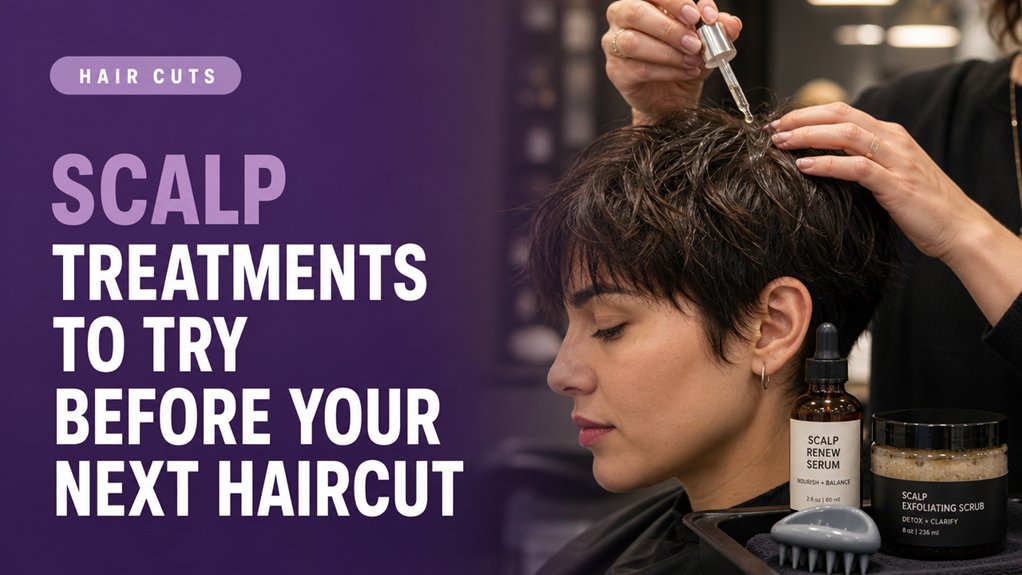
- Scalp Health Protocols – Integrate HeadSpa treatments bi-weekly for oily conditions or monthly for dry scalp management, particularly during summer’s intense sweat and product buildup periods.
Frequently Asked Questions
Can I Swim in Lake Ivanhoe Immediately After a Professional Treatment?
You shouldn’t swim in Lake Ivanhoe immediately after professional hair treatments. Most services require 24-48 hours before lake water exposure, allowing treatment products to fully penetrate and seal. Your stylist will provide specific timing based on your treatment type.
Do Headspa Treatments Work for Clients Who Water Ski Regularly?
Yes, headspa treatments are particularly effective for water skiers. Regular sessions combat lake water mineral buildup, chlorine exposure, and UV damage while restoring moisture balance. The deep cleansing and scalp stimulation counteract environmental stressors from frequent water recreation.
Which Treatments Best Protect Hair From Orlando’s Humidity and Sun Exposure?
Your hair faces relentless assault from Orlando’s elements—keratin treatments every 3-4 months create humidity barriers, while monthly deep conditioning with UV protectants shields against sun damage. Color-treated hair needs treatments every 4-6 weeks for maximum environmental defense.
Should I Schedule Treatments Before or After Attending Gallery Openings?
Schedule your professional treatment 1-2 days before gallery openings to guarantee your style looks fresh and polished. This timing allows your hair to settle naturally while maintaining the treatment’s frizz-control and shine-enhancing benefits throughout the event.
Do Professional Treatments Remove Chlorine Buildup From Lake Recreation Activities?
Like armor protecting knights from battle damage, professional treatments effectively eliminate chlorine buildup from Lake Ivanhoe recreation. Crystal-based solutions bond with embedded minerals at molecular level, restoring your hair’s natural balance, shine, and preventing progressive structural damage from repeated exposure.
Conclusion
The theory that “more treatments equal better results” doesn’t withstand scrutiny—over-processing compromises your hair’s structural integrity regardless of product quality. Your ideal frequency balances corrective intervention with your hair’s natural recovery cycle. Document your treatment timeline, monitor porosity changes, and assess cuticle response to establish evidence-based scheduling. Professional consultation guarantees you’re investing in clinically appropriate services rather than following arbitrary timelines. Your hair’s biochemical feedback—elasticity, moisture retention, breakage patterns—provides definitive scheduling guidance that generic recommendations can’t match.