How Often Should I Get a Haircut? A Real-World Guide
There is a very specific moment that sparks the question how often should I get a haircut, and research shows this decision is deeply connected to personal satisfaction and self-image, as explored in A Study of Hairstyle behavior and life satisfaction among women. It usually happens when someone is standing in front of the mirror, tugging at frayed ends, trying to decide if that fuzz at the bottom is a cute undone vibe or a split-end disaster. One part of the brain says “do not let anyone touch the length,” while the other part cannot stop staring at scraggly pieces that will not curl, straighten, or behave.
Then the mixed advice kicks in. A friend swears by a strict six-week schedule. A stylist once said to let it grow for months. Social media insists that trims make hair grow faster, but that cousin with waist-length hair swears she barely cuts it at all. No wonder the question how often should I get a haircut starts to feel impossible to answer.
Here is the real secret. There is no single magic number because hair type, texture, length, and current health all change the math. Fine hair has different needs than thick hair. Curly coils behave nothing like a sleek bob. A fresh balayage or a round of bleaching changes the schedule again.
This guide breaks it all down in plain language. By the end, anyone can read their hair’s signals, match them to their length and texture, and build a haircut schedule that actually fits real life. Along the way, the stylists at Mosaic Hair Studio & Blowout Bar share how they help Orlando guests figure out exactly when their hair needs professional attention, so the “Is it time?” mirror debate finally gets some peace.
“Hair style is the final tip-off whether or not a woman really knows herself.” — Hubert de Givenchy
Key Takeaways
Before diving into the details, it helps to have a quick overview of how haircut timing works. Think of these points as a cheat sheet for the question how often should I get a haircut. They can guide choices between full salon visits.
Hair type is the starting point for timing. Fine, thick, curly, and textured hair all handle stress, dryness, and breakage in different ways. That means two people with the same length can need very different schedules.
Hair length sets the pace. Short cuts change quickly and usually need visits every few weeks. Medium and long styles can often stretch to six to twelve weeks if the hair is healthy and easy to style.
Hair condition beats the calendar. Visible damage, tangles, and loss of shape mean it is time for a cut, even if the next appointment was planned for later. Ignoring those signs makes future trims more dramatic.
Trims protect length. Regular trims do not speed up root growth, but they protect the hair that already exists. By snipping away weak, split ends before they snap, trims help hair appear longer and thicker over time. For damaged hair, sticking to trims around every eight weeks is a safe plan.
Understanding The Basics What Makes A ‘Haircut’ Different From A ‘Trim’
Walking into a salon and asking for “just a little off” sounds simple, but those few words can mean very different things. When someone is trying to decide how often should I get a haircut, it really helps to know which service they actually need. At Mosaic Hair Studio, stylists spend time in the consultation clearing this up, so there are no surprises when the hair hits the floor.
A haircut is a shape change. It usually removes at least a couple of inches and shifts the style in a clear way. Think of going from long hair to a lob, adding strong layers for movement, or changing a blunt cut into a shag. This kind of visit is perfect for a fresh start or a big mood change.
A trim is maintenance. It keeps an existing style looking like itself by taking off around one to two inches from the ends. The goal is to erase split ends, clean up the outline, and keep layers balanced without losing the look that is already loved. When someone is growing their hair out but wants it to look healthy, trims are the go-to.
Then there is dusting, which is the lightest option. Dusting removes the very tips of the hair, often less than a quarter of an inch, just enough to snip away the first signs of splits. It is perfect for people who baby their length and want maximum retention, but still want healthy ends.
To make it clearer:
Haircut: noticeable change in length or shape
Trim: same haircut, refreshed and sharpened
Dusting: tiniest snip, focused only on the worst ends
Knowing which of these to ask for during the consultation makes a big difference. At Mosaic Hair Studio & Blowout Bar, every appointment starts with a chat where the stylist helps decide whether a haircut, trim, or dusting best matches the hair’s condition and the guest’s goals.
The Truth About Trims And Hair Growth Busting The Biggest Myth

One myth refuses to die. People often hear that frequent trims make hair grow faster, which makes the question how often should I get a haircut feel like a trick question. The honest answer is simple: cutting the ends does not change what the roots are doing.
Hair growth starts inside the scalp, in the follicles. For most people, hair grows about half an inch per month, influenced by genetics, hormones, and health. Whether someone trims every four weeks or every six months, that growth rate from the root stays the same.
“Hair grows from the root, not the ends,” is a reminder many dermatologists share with their patients.
So why do stylists talk so much about regular trims? Because trims protect the length that has already grown. When ends are dry or damaged, they split and the tear can climb up the strand. That leads to breakage, which makes hair look like it has stopped growing even though new length is appearing at the top.
By trimming away weak ends before they split further, hair keeps more of what it grows. Over time, that is what creates long, healthy hair with fewer thin, see-through sections near the bottom. Strategic trims do not speed up growth, but they do stop breakage from stealing the progress.
Your Hair Length Matters Matching Haircut Frequency To Short, Medium, And Long Styles
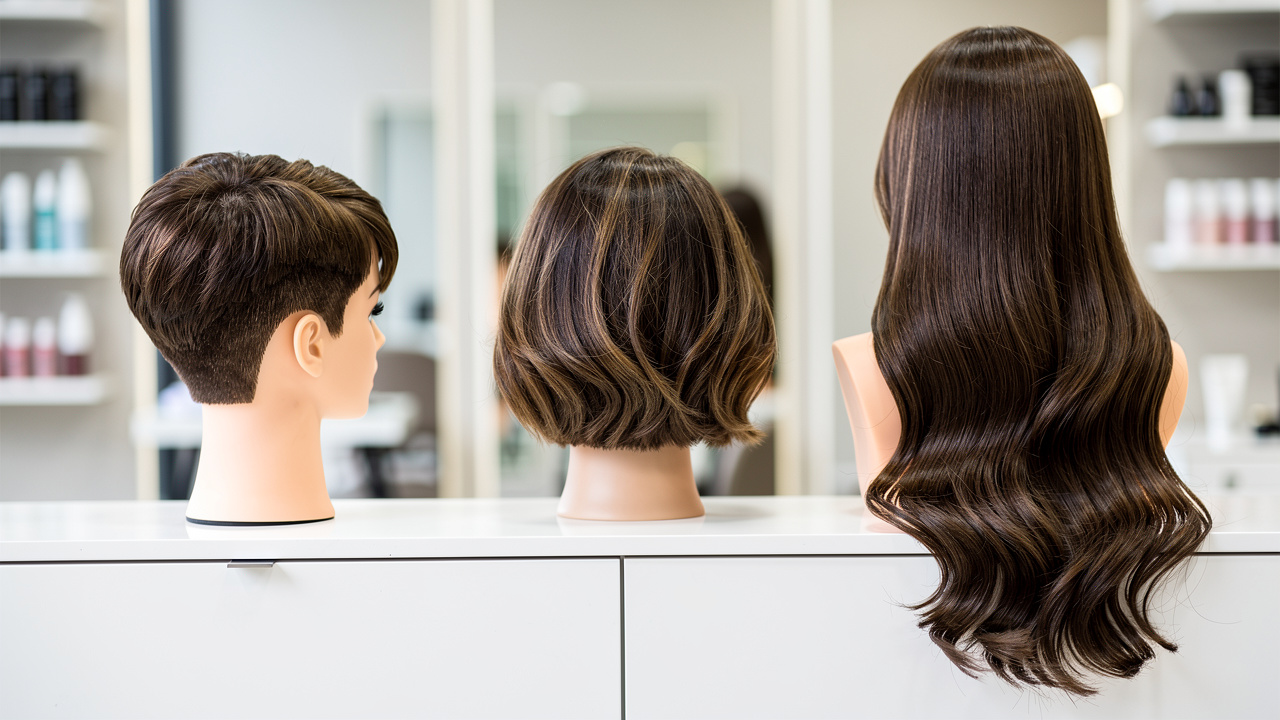
Length is the easiest way to start building a haircut schedule, and understanding industry patterns helps, as Hair Salons in the US serve millions of clients with varying length preferences and maintenance schedules. A half inch of growth looks very different on a pixie than it does on hair down the back. When people ask how often should I get a haircut, stylists at Mosaic Hair Studio often begin by looking at where the ends fall.
Here is a quick guide by length:
| Hair Length | Typical Time Between Trims | What That Helps With |
|---|---|---|
| Short (above shoulders) | 3–7 weeks | Keeps lines sharp and style intentional |
| Medium (shoulders to mid-back) | 6–12 weeks | Maintains shape without feeling high maintenance |
| Long (below mid-back) | 8–12 weeks | Keeps ends from thinning and looking wispy |
Short Hair (Above Shoulders)
Short hair is high maintenance in the best way. Pixies, ear-length bobs, undercuts, and fades can lose their sharp, intentional shape as soon as a few weeks pass. Because every bit of growth changes the outline, a half inch can take a chic cut from polished to puffy very quickly.
To keep short styles looking fresh, most guests schedule trims every three to seven weeks. Precision looks, like a very sharp bob with bangs or a graphic crop, often live closer to the three-week mark, especially around the neckline and sideburns. Bangs alone can need tiny touch-ups every couple of weeks if they keep falling into the eyes.
If styling starts taking much longer, or product stops giving the same result, that is a clear sign it is time to get back into the chair.
Medium-Length Hair (Shoulders To Mid-Back)
Medium-length hair has more breathing room. Lobs, collarbone cuts, and layered mid-length styles do not change shape overnight, which makes them a favorite for busy schedules. Growth is easier to hide, and the style often looks nice as it moves from one length to the next.
For healthy medium hair, most people do well with a trim every six to twelve weeks. If there are lots of layers or heavy styling with hot tools, six to eight weeks usually keeps everything bouncy and smooth. When the goal is simple maintenance, visiting three or four times a year to dust the ends and clean up layers can work well, as long as the hair still styles nicely at home.
Long Hair (Below Mid-Back)
Long hair seems low maintenance, but the ends tell a different story. Those pieces have lived through years of sun, water, brushing, and styling, so they are usually the most fragile part of the head. Even when roots and mid-lengths look glossy, the last few inches can start to fray and thin out.
To keep long hair looking full rather than wispy, trims every eight to twelve weeks are a safe bet. Hair that tends to sprout split ends or flyaways usually prefers the eight- to ten-week range. Strong, healthy long hair that is handled gently at home can stretch closer to twelve weeks, as long as the shape still feels good. Waiting much longer often means more damage has to be cut later, which erases months of growth in a single visit.
Hair Type Is The Game-Changer Fine, Thick, Curly, And Textured Hair Needs
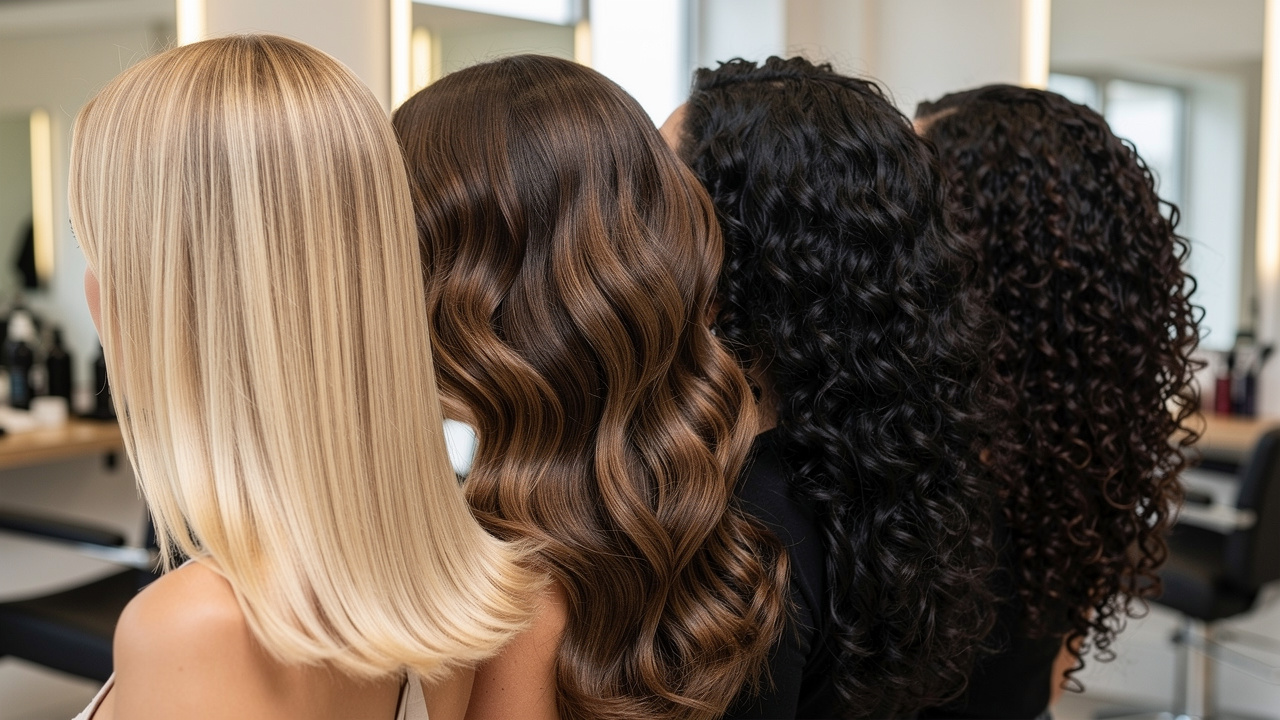
Length sets the basic rhythm, but hair type changes almost everything. Two people with the same cut can need very different answers to the question how often should I get a haircut based on strand size, density, and curl pattern. Some hair fights breakage from day one, while other hair shrugs off stress more easily.
At Mosaic Hair Studio & Blowout Bar, stylists are trained on many textures, from sleek and straight to tight coils. During consultations, they look not only at where the hair falls, but also at:
How wide each strand is (fine, medium, or coarse)
How many strands there are (density)
How the curl or wave behaves
How dry or smooth the ends feel
That is what turns a basic schedule into one that actually works for real hair on a real head.
Fine Hair Preventing Stringy Ends And Creating Fullness
Fine hair has a smaller diameter per strand, which makes it feel soft and light but also a bit fragile. It can look limp or stringy at the ends long before serious damage appears. For anyone with fine hair asking how often should I get a haircut, the answer is usually “more often than you think.”
Regular trims give fine hair clean, blunt edges that help it look thicker. Short fine cuts tend to do best with visits every four to six weeks, before the shape starts to fall flat. Medium-length fine hair usually needs trims every six to eight weeks to avoid see-through ends. Long fine hair can stretch closer to eight to twelve weeks, but only if it is handled very gently and checked often for wispy bits near the bottom.
Skipping trims lets splits move higher up each strand, which makes fine hair look thin and tired fast. At Mosaic Hair Studio, stylists use clever cutting techniques to build volume and body for fine hair, then pair that with a schedule that keeps the shape strong rather than stringy.
Thick Hair Making The Most Of Natural Resilience
Thick hair can mean lots of strands, wider strands, or both. This type often looks lush and full even when it is overdue for a cut, which tricks many people into stretching appointments for months. The good news is that thick hair usually tolerates heat and color better than fine hair, but that does not mean it can skip trims forever.
Most thick hair behaves well with a cut every eight to twelve weeks. The exact timing depends on styling habits and how much layering is in the cut. Split ends are harder to spot at first because the hair has so much bulk, but once those splits travel higher, frizz and rough texture appear. Keeping a regular schedule stops that from becoming a problem and keeps heavy hair from feeling weighed down at the bottom.
Curly, Coily, And Textured Hair Managing Dryness And Maintaining Curl Shape
Textured hair covers everything from loose waves to springy curls and tight coils. Because of all the bends and curves, natural oils from the scalp have a much harder time gliding down the strand. That leaves the ends drier, which makes them more likely to split or snap. For this group, trimming is about protecting curl shape as much as protecting length.
Wavy and classic curly hair usually does well with trims every six to twelve weeks, depending on styling habits and how quickly the pattern loses definition.
Tight curls, coils, and kinky textures often prefer a slightly tighter window, around every six to eight weeks, though some can stretch closer to two months if the hair is very well moisturized.
Many people with curls fear trims because of shrinkage and worry that every visit will make their hair look shorter. The truth is that skipping trims allows dry, brittle ends to break off on their own, which steals length in a much messier way. Regular small trims keep the curl pattern bouncy and strong so the hair can grow longer over time.
For anyone transitioning from relaxed or heat-damaged hair back to natural texture, trims are even more important. Visiting every four weeks to slowly remove the old processed ends helps the new pattern show up faster and look healthier. Mosaic Hair Studio stylists receive extra training on cutting and styling textured hair, and they pair that skill with product advice for rich, moisturizing shampoos and conditioners that keep curls happy between visits.
Reading Your Hair’s Signals When It’s Time For A Cut, Regardless Of Schedule

Even with the best schedule, hair has the final say. It sends out little warning signs when it has had enough, and those signs matter more than the date on the calendar. When people ask how often should I get a haircut, stylists often turn the question around and ask how the hair is acting day to day.
Watch for these clues:
Rough, frayed ends that feel fuzzy when you slide your fingers down a strand
More knots and tangles, especially near the bottom of the hair
Styles that stop working, like curls that fall flat faster or blowouts that will not smooth
Loss of shape, such as layers collapsing into a heavy block or a bob dropping past the shoulders
Stringy, see-through ends on fine hair or dull, frizzy tips on curly and textured hair
If even one or two of these things are happening, it is time to book instead of waiting for an exact number of weeks. Most experts agree that going longer than six months between cuts is risky for hair health, no matter the type. Mosaic Hair Studio offers consultations where a stylist can look and gently say whether the hair can wait or needs love now.
Special Cases Damaged Hair And High-Maintenance Styles
Some hair does not fit inside standard timelines. Heavy color work, hot tools used daily, or very sharp cuts can change how often someone should sit in a stylist’s chair. When the question shifts from how often should I get a haircut to how fast can I fix this, the plan has to adjust.
Repairing Chemically Or Heat-Damaged Hair
Damaged hair often feels rough and dry, looks frayed even after styling, and may snap when brushed or pulled into a ponytail. Bleach, repeated color changes, flat irons used on high heat, and aggressive brushing all chip away at the cuticle. No mask or serum can glue that cuticle back together once it is badly cracked. The only real fix is to cut off the worst of it.
For hair that is clearly over-processed or fried, trimming about every eight weeks is a smart, steady plan. Each visit removes more weak ends before they can split higher up, which prevents fresh growth from getting ruined. In some cases, the best move is one bigger cut to remove the most damaged section, followed by softer trims after that. It can feel hard to part with length, but it is an investment in hair that actually looks and feels healthy again.
Between cuts, Mosaic Hair Studio offers smoothing options such as keratin treatments, Brazilian blowouts, and Japanese hair straightening to help manage frizz and surface roughness while new hair grows in. Paired with gentle home care, those services make the recovery phase more comfortable and keep the focus on healthy regrowth instead of daily frustration.
High-Maintenance Styles That Demand Frequent Touch-Ups
Some cuts are built around very sharp lines or dramatic shapes. Bangs, buzz cuts, fades, undercuts, and geometric or asymmetrical looks are amazing when crisp, but they change fast as soon as the hair grows even a little. With these styles, waiting too long between appointments takes them from edgy to messy in what feels like a week.
For most high-detail cuts, a refresh every two to four weeks keeps the style on point. Buzz cuts, fades, and undercuts usually land closer to every other week if the goal is a clean, sharp finish. Bangs have their own rhythm and can need tiny trims every couple of weeks to stay at the right spot on the forehead.
When someone requests one of these looks at Mosaic Hair Studio, the stylist always talks through the upkeep first. Together they decide whether that schedule fits real life, then build a maintenance plan that matches the guest’s routine and budget.
Maintaining Hair Health Between Salon Visits Your At-Home Action Plan
A great cut is only half of healthy hair. What happens in the shower and at the bathroom mirror plays a huge role in how often someone ends up asking how often should I get a haircut. Good habits can stretch the time between trims without sacrificing shine or shape.
Scalp care comes first. A clean, balanced scalp is the base for every good style. Gentle scalp scrubs or treatments help remove product buildup and dead skin so follicles can do their job. When the scalp feels fresh instead of itchy or coated, hair tends to grow and lie better.
Moisture keeps ends flexible. Using a shampoo and conditioner that matches the hair type makes a big difference, especially for curly, coily, or color-treated hair. Adding a weekly deep conditioner or mask gives extra hydration to the driest areas. A drop or two of a light oil on the very ends can also smooth the look of minor splits between trims.
Heat protection is non-negotiable. Before using a blow dryer, curling iron, or flat iron, always apply a heat protectant spray or leave-in cream. Lower heat settings may take a little longer but cause far less stress on the cuticle. Limiting how often hot tools are used each week helps as well, and many guests enjoy air drying when they can.
Strength treatments have a place too. Protein masks and strengthening treatments can help fill in weak spots on the hair shaft, especially if the hair has been lightened. They need to be balanced with moisture though, because too much protein without enough hydration can make hair stiff instead of supple.
Product advice can save time and stress. Stylists at Mosaic Hair Studio love sending guests home with a simple, clear plan that fits their hair type and lifestyle. During a Blowout Bar visit, guests also see how pros dry and style their hair with safe techniques, which often leads to less damage from rushed styling at home.
How Mosaic Hair Studio Creates Your Perfect Haircut Schedule
General rules are helpful, but a mirror and a skilled stylist give the best answer to how often should I get a haircut. At Mosaic Hair Studio & Blowout Bar, every cut starts with a complimentary consultation that feels more like a relaxed chat than a quiz, an approach supported by research on Service Quality and Customer satisfaction in the beauty industry. The stylist looks at hair type, texture, current condition, color history, and how much time the guest likes to spend styling each day.
Because Mosaic uses an employee-based model and invests heavily in advanced training with top academies across North America, guests work with stylists who stay current on techniques for all kinds of hair. The salon is also a Diamond Top Tier Wella partner, which speaks to the depth of technical color and cutting skill on the team. Based on what they see and what the guest wants, stylists suggest a clear schedule, whether that means short cut touch-ups every few weeks, long hair trims every couple of months, or focused visits during a repair phase.
“If you don’t look good, we don’t look good.” — Vidal Sassoon
Over time, that relationship gets even better. As the stylist learns how the hair behaves between visits, they can adjust timing, recommend smoothing services or Blowout Bar styling when needed, and simplify home care. Guests walk out not only with a fresh cut, but also with a sense of confidence about when to come back.
Conclusion
The question how often should I get a haircut does not have a single magic answer. It depends on length, hair type, texture, daily styling habits, and how kind or rough life has been on those ends. Short precision cuts need frequent attention, while longer styles can often wait a bit longer as long as they stay easy to style and free of heavy damage.
Now there is a clear way to read the signs. Split ends, tangles, loss of shape, and dull, brittle tips are all gentle reminders that the calendar needs to move up. Regular trims paired with smart at-home care keep hair strong enough to hold on to the length it gains each month.
For anyone in Orlando who is tired of guessing, the stylists at Mosaic Hair Studio & Blowout Bar are ready to help build a haircut schedule that feels realistic and keeps hair looking its best. With the right plan, haircuts stop feeling scary and start feeling like one of the best self-care appointments on the calendar.
FAQs
Question 1 How Often Should I Get A Haircut If I’m Growing My Hair Out?
When growing hair longer, it is tempting to avoid scissors completely, but that backfires fast. A trim every ten to twelve weeks removes weak, splitting ends before they can climb higher and snap. That means more of the new growth stays on the head instead of breaking off in the brush. In other words, regular small trims are the quickest path to long, healthy hair that actually looks thick from root to tip.
Question 2 Do Men And Women Need Haircuts At Different Frequencies?
Gender does not matter nearly as much as style, length, and hair type. People with short cuts, which are often worn by men but also loved by many women, usually need trims every three to seven weeks to keep the shape clean. Anyone wearing that same short cut needs the same schedule, no matter how they identify. The focus should always be on how the hair behaves and how polished the style needs to look.
Question 3 Can I Trim My Own Hair At Home Between Salon Visits?
Light trims at home are tempting, especially when bangs start drifting into the eyes. Without training and the right tools though, it is very easy to end up with uneven lines, holes in layers, or choppy ends that are hard to fix. If someone must trim, it is safer to only snip tiny amounts from bangs or a few face-framing pieces using sharp hair-cutting shears, never kitchen scissors. In most cases, booking more frequent professional trims at Mosaic Hair Studio is cheaper and less stressful than correcting a do-it-yourself mishap.
Question 4 What Happens If I Wait Too Long Between Haircuts?
Waiting too long lets split ends move higher up each strand, which weakens the hair and leads to more breakage. Styles lose their shape, so curls stop sitting right, bobs drop past the shoulders, and layers turn into a heavy, blocky mass. The hair can start to look thin, stringy, or dull at the bottom even if the roots look fine. At that point, a stylist has to remove more length to get back to healthy hair, which erases months of growth in one appointment.
Question 5 How Do I Know If My Stylist Cut Off Too Much Hair?
Good communication before the first snip makes a huge difference. During the consultation, clearly say whether the goal is a trim that removes around one to two inches or a bigger change, and bring photos that show the length and shape that feel right. Sometimes very damaged hair needs more taken off than expected, and a thoughtful stylist will explain that before cutting. Guests at Mosaic Hair Studio can also ask their stylist to show where the length will fall by gently pulling a section down and checking in the mirror, which helps everyone feel comfortable before the scissors move.