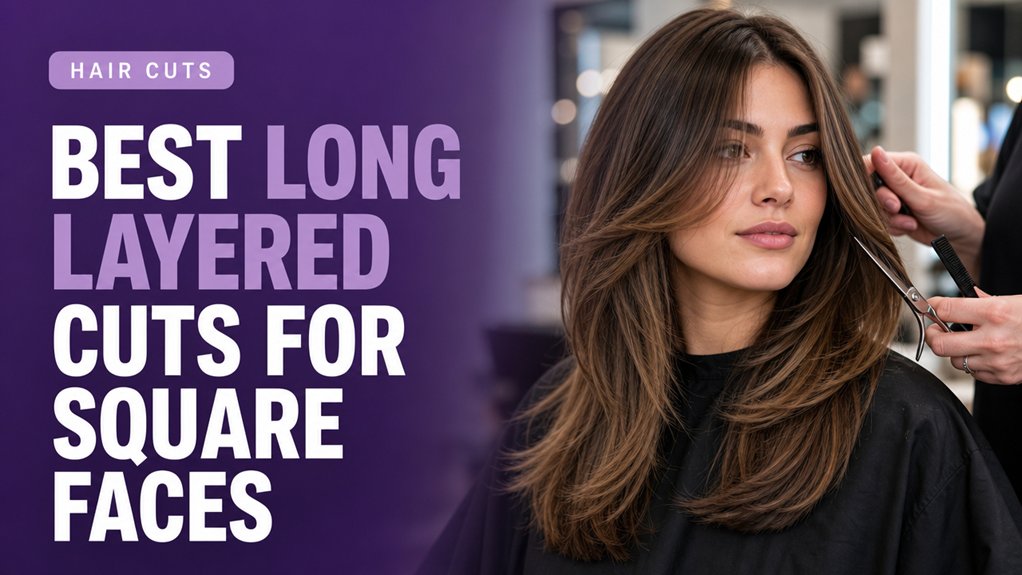
Best Long Layered Cuts for Square Faces
Long layered cuts work for square faces because strategic layer placement redirects visual weight away from the jawline, creating the illusion of an oval silhouette. Layers should start below the chin, where cascading movement elongates the face without adding width. Soft waves, curtain bangs, and textured shag cuts all soften angular bone structure effectively. Choosing the right technique depends on hair texture, lifestyle, and styling preferences — and the details make all the difference.
Key Takeaways
- Layers should start below the chin to avoid adding width at the cheekbones and jawline, preventing a boxy silhouette.
- Long wavy layers soften angular jawlines by replacing hard edges with flowing contours and creating vertical emphasis.
- Curtain bangs and side-swept bangs interrupt strong facial symmetry, complementing face-framing layers for a balanced look.
- Textured shag cuts break up square jawline edges, with volume placed away from the jaw for a balanced silhouette.
- A center part with long straight hair visually elongates the face when length extends past the jawline.
Why Square Faces Need Strategic Layering
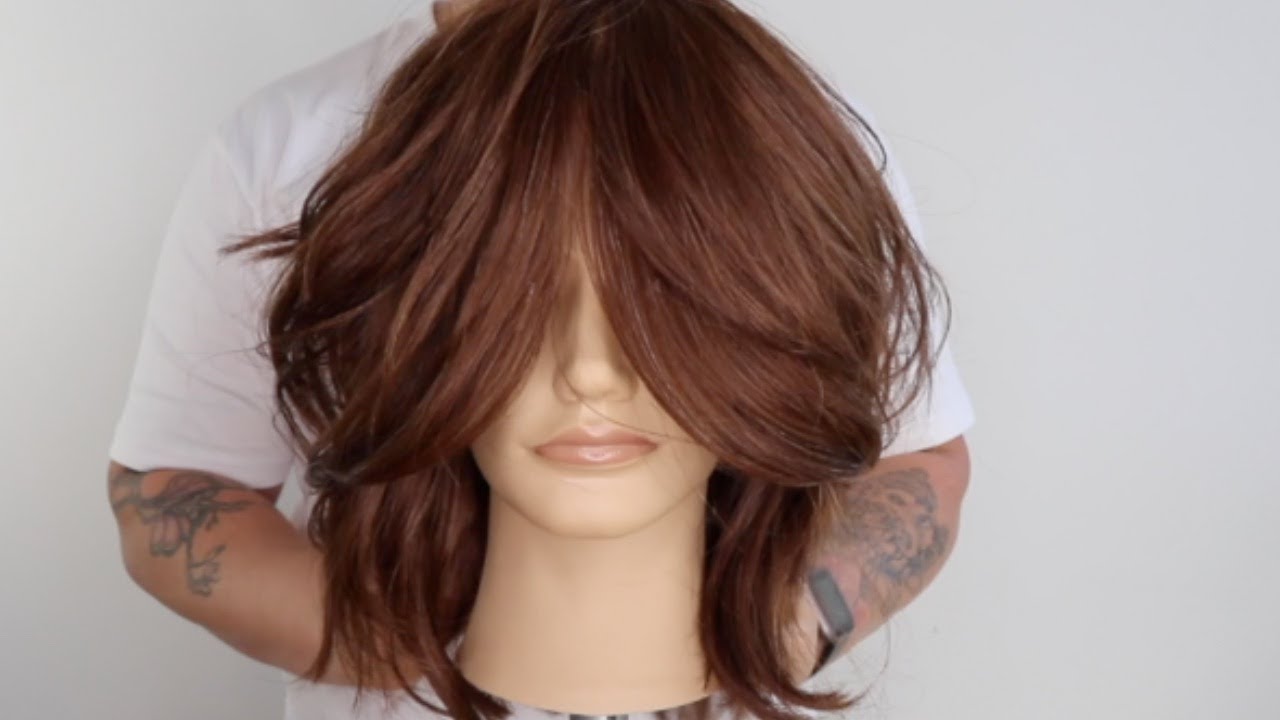
Square faces present a specific structural challenge: the forehead, cheekbones, and jawline all measure roughly equal in width, creating a strong geometric symmetry that can look rigid when the wrong haircut reinforces it.
Strategic layering directly counters this by introducing softness, movement, and visual length. Layers create curves that contrast with angular bone structure, shifting the face’s perceived proportions toward a more oval silhouette.
Vertical movement draws the eye downward, reducing width emphasis at the jaw. Without layering, long hair risks sitting heavy and blocky around the face’s widest points, amplifying squareness rather than balancing it.
Graduated layers, face-framing placement, and textured movement work together to soften the jawline, interrupt rigid symmetry, and produce a more harmonious, balanced result. Textured waves add volume and playfulness that further contrasts the angular structure of a square face.
For best results, all layers should turn inward to help narrow the face and maintain a cohesive, softening effect throughout the cut. Working with an expert stylist who personalizes the cut to your specific face shape and hair type ensures the layering achieves its full softening potential.
Where Layers Should Start for a Flattering Result
For square faces, the first layer should start at the chin, a placement that avoids framing the face too high and prevents a boxy silhouette near the jaw’s strongest angles.
From that starting point, cascading layers move downward through the length, creating gradual movement and softening the overall shape without shortening the visual line. Styling with inward curls helps reinforce this softening effect throughout the length.
This approach keeps the silhouette elongated while distributing texture in a way that draws the eye down rather than across. Square faces benefit from layers that soften their strong jawline and broad forehead, promoting a more balanced and harmonious overall look. Visiting a stylist for a personalized haircut consultation can help ensure the layers are placed precisely where they will be most flattering for your specific features.
Starting Layers at Chin
When styling long layers on a square face, one placement detail makes a significant difference: the first shortest layer should start even with the chin. This placement offsets a strong jawline by introducing movement directly at the lower face, softening angular lines without sacrificing overall length.
Chin-start layers create a controlled shift between face-framing pieces and the body of the hair. They direct visual attention toward vertical flow rather than jaw width. Layers that land too short risk making the face appear flatter or wider, so the chin acts as a precise anchor point. Texturizing sprays like Redken Beach Spray can enhance this movement and prevent flyaways in fine hair.
Hair kept close to the face at this level softens the jawline more effectively than disconnected shapes. Inward-turning layers reinforce the effect, narrowing the face and limiting harsh structural lines. Shorter, textured layers are particularly effective for square faces, as they work to soften the naturally angular features that define this face shape.
Cascading Layers Through Length
Once the shortest layer anchors at the chin, each subsequent section should progress gradually downward, creating a smooth cascade that connects the face-framing pieces to the remaining length.
Low-elevation cutting keeps the shift soft and elongated rather than choppy, preserving density along the sides and maintaining weight through the lower sections.
For longer hair, most layering should concentrate in the upper section, allowing the bottom lengths to retain fullness and movement.
Each layer connects to the next without abrupt steps, supporting a cohesive shape that flows naturally with the hair’s fall.
The goal is intentional balance — movement appears through the upper lengths while the perimeter stays weighted and long.
This structure flatters square faces by directing attention vertically rather than across the jaw’s width. Light layers reduce the appearance of sharp angles, allowing the overall silhouette to feel softer and more refined.
To further refine the face frame, slide cutting behind the hand delivers a razor-like effect that adds wispy texture without removing excessive length.
Long Wavy Layers That Soften a Square Jawline
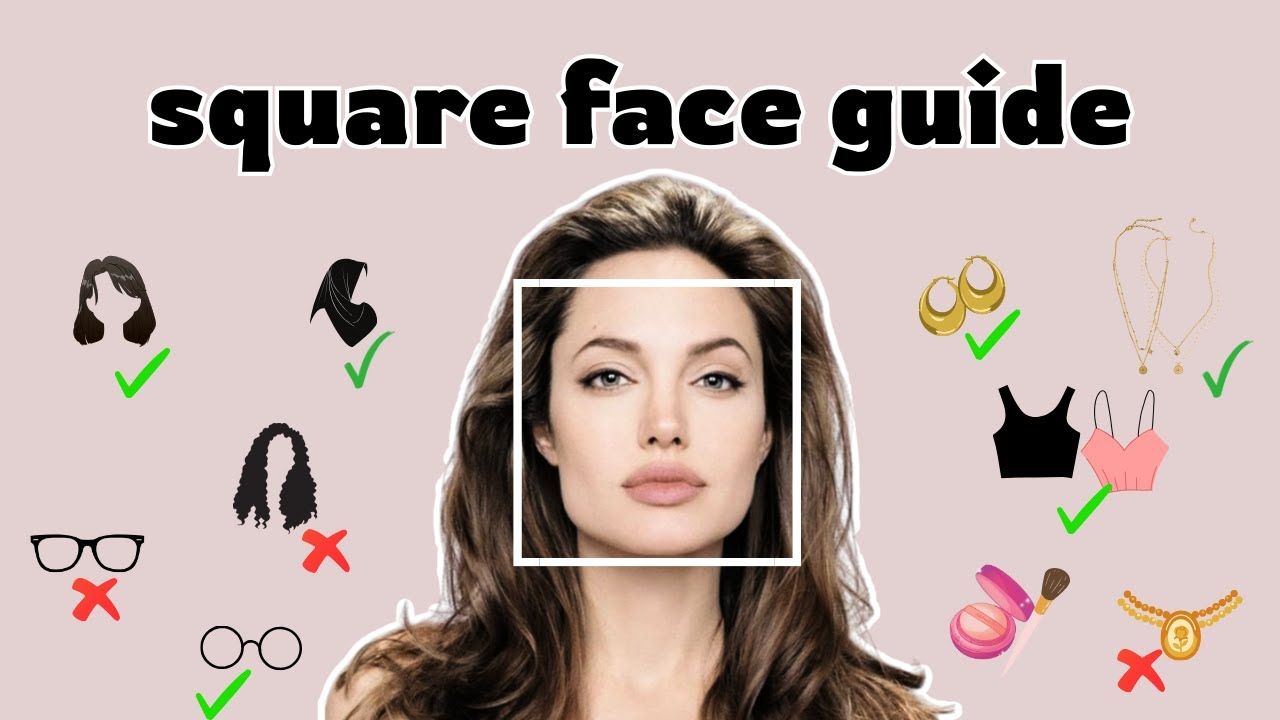
Long wavy layers rank among the most effective cuts for square faces because loose, flowing waves interrupt the angular symmetry of a strong jawline and introduce soft, rounded movement along the lower face.
Layers placed below the jaw direct the eye downward, creating vertical emphasis that visually elongates the face rather than widening it. Expert stylists recommend personalized hair care solutions tailored to your specific face shape and hair type to achieve the most flattering results.
Beach waves or tousled wave patterns work best here, as their irregular texture actively reduces the rigid, geometric lines that define a square facial structure. Waves and curls frame the face beautifully, making them a naturally flattering choice for anyone looking to balance strong angular features.
Waves Soften Angular Jawlines
Soft waves do something a blunt cut can’t—they interrupt the straight, angular lines that define a square jawline. Curvature adds visual softness, while textured movement creates a fluid outline around the lower face rather than a rigid one.
| Wave Effect | Visual Result |
|---|---|
| Loose wave curvature | Breaks up straight jaw lines |
| Piece-y, beachy texture | Reduces geometric symmetry |
| Volume distributed through waves | Eliminates boxy silhouette |
| Soft cascading movement | Counterbalances angular structure |
No structural change occurs—the effect is entirely visual. Waves redirect the eye away from sharp angles, replacing hard edges with flowing contours. Wavy styles consistently earn recommendation for square faces precisely because they introduce femininity and delicacy where the face shape naturally produces strength. Side-parted styles further break the symmetry of a square face by adding dimension and preventing the eye from reading the face as evenly structured on both sides.
Layers placed along the cheeks and jaw work in direct coordination with wave texture to further dissolve the angularity of a square face. A skilled stylist will account for hair growth patterns when positioning these layers, ensuring the waves fall predictably and consistently rather than fighting the hair’s natural movement.
Best Wavy Layer Placement
Where layers begin on a long wavy cut determines whether the style flatters or fights a square jawline. For square faces, layers should start below the chin—ideally at or below the jaw—to avoid adding width directly at the cheekbones or jawline.
Chin-length cutting emphasizes angular features rather than softening them. Layers beginning at shoulder length or lower keep the silhouette vertical and elongated, which counterbalances the horizontal width of a square face.
Long layers spaced several inches apart allow waves to flow with visible separation while preventing bulk from accumulating through the ends.
Face-framing pieces placed around the cheekbones and below the jaw break up strong facial lines without boxing in the face. These should remain soft and blended—never blunt—to avoid reinforcing straight edges. For wavy hair specifically, dry-cutting techniques can offer better control over how layers fall and interact with the natural wave pattern.
To further enhance the natural movement of long wavy layers, sleeping on a silk pillowcase reduces friction and minimizes frizz overnight, helping the style maintain its shape between washes.
Soft Layers With Side-Swept Bangs
When targeting a square face shape, combining soft layers with side-swept bangs addresses two structural concerns at once: reducing the visual weight of a strong jawline and breaking up the angular symmetry of the face.
Layers beginning near the chin introduce softness below the jaw, while cascading lengths through the mid-section add vertical movement that visually elongates the face.
Side-swept bangs contribute a diagonal line that interrupts the face’s symmetry, and longer fringe grazing the cheekbone reinforces that softening effect.
Face-framing pieces draw attention inward rather than outward, reducing emphasis on width.
Styling with a round brush during blow-drying trains the bangs to fall smoothly, while inward-curled ends on the layers prevent a rigid silhouette and keep the overall shape feeling fluid. Square faces are characterized by a forehead and jaw width that are nearly equal, making this combination particularly effective at introducing the contrast and softness the structure needs. Equal forehead and jaw width is precisely why the diagonal sweep of the bangs works so well in counteracting the face’s natural geometry.
Textured bangs paired with this cut work especially well when sea salt spray is applied to enhance the wavy movement and prevent the fringe from appearing too stiff against angular features.
Working with expert stylists who take the time to understand your face shape and hair type ensures that the layering is customized to your specific proportions rather than applied as a generic template.
The Textured Shag Cut for Square Faces
The textured shag cut brings two defining qualities to square face styling: layered structure and a deliberately lived-in finish that softens angular features without relying on length alone.
Strategic layering breaks up the strong straight edges typical of square jawlines, reducing visual harshness while adding dimension and movement. Longer layers placed past the chin help avoid widening the jaw area, and feathered or razor-cut ends eliminate the bluntness that can emphasize angular proportions. At Mosaic Hair Studio, expert stylists assess your face shape and hair type to ensure layering is placed precisely where it flatters most.
A side or off-centered parting introduces asymmetry that counterbalances square symmetry effectively. Styling with tousled waves reinforces the cut’s softness. Texturizing spray supports separation and the signature bedhead finish.
Stylist precision matters here—over-layering disrupts balance, so regular shape maintenance keeps layers working with the face rather than against it. Volume should be placed away from the jawline to avoid drawing attention to angular features, ensuring the overall silhouette remains balanced and flattering. Wavy or curly hair naturally softens angular features, making the textured shag an especially effective choice for those looking to work with their natural texture rather than against it.
Wispy Face-Framing Layers for Softer Angles

Wispy face-framing layers address one specific challenge square faces present: hard angular edges that create a boxy, rigid overall shape. Placed strategically near the cheeks and chin, these layers redirect visual attention away from the jawline’s widest points. Keeping the shortest face-framing pieces below the chin avoids emphasizing width while maintaining overall length.
Wispy texture works by adding lightness that breaks up hard perimeter edges. Textured ends prevent the front sections from sitting flat and rigid against the face, while gradual layering keeps the shift cohesive rather than abrupt. Visiting a salon with expert personalized stylists ensures these layers are precisely cut to complement your specific face shape and hair type.
Curtain bangs or soft asymmetrical fringes blend naturally into this layering approach, reinforcing diagonal movement across the forehead. A triangle section method taken from the front hairline helps blend face-framing bangs seamlessly into the surrounding layers for a cohesive finish.
Styling with a round brush or lightweight sea salt spray amplifies the softness, helping layers fall forward and frame the face with controlled, relaxed movement.
Long Straight Hair With a Center Part: Does It Work?
Long straight hair with a center part works for square faces when the length extends past the jaw, keeping vertical lines dominant and reducing angular emphasis.
The middle part supports symmetry by distributing hair evenly, visually elongating the face rather than widening it.
Smooth, controlled strands with subtle end movement and a precise part line maximize the style’s effectiveness without adding bulk at the sides. Consulting with expert hair stylists ensures the cut and part placement are tailored to your specific face shape and hair type. For those wanting additional texture, a short messy wavy haircut introduces volume and movement that complements the natural flow of longer styles. For square faces, most long hairstyles suit this shape, giving plenty of room to explore straight styles with confidence.
When It Actually Works
Straight hair with a center part can absolutely work on a square face — but only when the length clears the jawline and the cut includes soft, end-weighted layers. Without those two conditions, the style risks emphasizing width rather than reducing it.
The combination works best when:
- Length starts at the collarbone or longer, shifting visual attention downward past the jaw
- Layers concentrate toward the ends, creating movement without adding bulk near the cheekbones
- Choppy or razor-cut ends prevent the center part from reading as stiff or severe
Extra volume at the crown supports elongation, while soft inward-curled ends counter flatness. A center part isn’t the automatic best choice for square faces, but with proper length and layer placement, it performs reliably.
Elongation Through Symmetry
A center part works on square faces when the goal shifts from concealing width to highlighting the face’s natural symmetry. Square faces carry even proportions across the forehead and jaw, and a center part reinforces that balance through a clean vertical line.
When paired with long hair, that vertical line draws the eye downward, reducing the perception of width and adding perceived length.
Straight lengths sustain an uninterrupted line from root to end, strengthening the elongating effect. However, length and symmetry alone don’t soften angular features. The cut’s shape carries equal weight.
Long layers starting near the chin or cheekbones introduce movement, prevent flat silhouettes, and ease the shift around stronger jawlines. Without that layering, a blunt one-length cut can echo the face’s angularity rather than complement it.
Styling Tips For Success
When styled thoughtfully, long straight hair with a center part can work on square faces—but the cut and styling approach carry most of the responsibility. Flat, one-length hair with a center part amplifies angular features rather than softening them. Strategic adjustments change that outcome entirely.
Three techniques that make the difference:
- Graduated layers starting at the chin introduce vertical movement and reduce the blocky symmetry a center part creates.
- Root lift through blow-drying or volumizing products prevents hair from collapsing against the cheeks and jawline.
- Face-framing layers below the cheekbones break the straight vertical line and soften the face’s outline.
A center part functions best as a base rather than a stand-alone choice. Layers and volume do the actual structural work.
Side Parts vs. Center Parts for Square Face Shapes
Where someone places their part can dramatically change how a square face reads—and for square faces, a side part is the default recommendation. It breaks up the face’s straight lines, adds asymmetry, and softens the jawline without emphasizing facial width.
A deep side part increases that softening effect, though sources warn against going too extreme, as an overly dramatic part can actually accentuate angular features.
A center part isn’t off-limits, but it demands more precision. It emphasizes symmetry, which reinforces structure on square faces unless face-framing layers actively counterbalance that effect.
Sleek styling works better than volume when using a middle part. In a long layered cut, those layers serve as the critical modifier—making center parts more viable while amplifying the softening benefits of a well-placed side part.
Best Bang Styles to Pair With Long Layered Cuts

Bangs change the entire dynamic of a long layered cut for square faces, and choosing the right fringe style determines whether the haircut softens angular structure or reinforces it.
Several fringe options consistently perform well alongside long layers:
Several fringe styles pair naturally with long layers, each one shaping how angular features read from the front.
- Curtain bangs part at the center and graduate toward cheekbone length, breaking strong facial lines while connecting naturally into face-framing layers.
- Side-swept bangs use diagonal movement to offset a broad forehead and angular jawline, blending smoothly into layered lengths.
- Wispy bangs keep the front section light and feathered, avoiding the dense block effect that sharpens square features.
Long bangs and asymmetrical fringe also work effectively, both creating vertical or diagonal movement that redirects attention away from the face’s width. A skilled stylist can refine any of these fringe styles by incorporating personalized hair care solutions that account for your specific texture, density, and natural growth patterns.
How Beach Waves Enhance Long Layers on Square Faces
Beach waves work directly against the geometry of a square face, replacing flat, uniform lines with curved movement that softens angular jaw structure and reduces the visual weight of a broad forehead.
Long layers amplify this effect by allowing the wave pattern to travel through the hair rather than collapsing into a single, flat plane.
Directing curls away from the face opens the features and avoids adding width at the cheeks.
Alternating curl direction through the lengths prevents a uniform, structured result and supports a more relaxed silhouette.
After cooling, finger-combing blends defined curls into softer waves.
A soft-hold hairspray preserves shape without stiffness, and lightweight texturizing spray maintains movement without weighing layers down—keeping the finished look fluid, effortless, and visually counterbalanced against square facial structure. For enhanced frizz control and humidity resistance, a keratin smoothing treatment can extend the life of beach waves while keeping layers smooth and defined between styling sessions.
Styling Tools That Build Softness and Movement
Achieving that softened, wave-driven finish depends heavily on the tools used to build it. For square faces with long layered cuts, specific tools deliver measurable results:
- Round brushes used during blow-drying add volume and shape, reducing the angular read of the jawline by creating rounder silhouettes.
- Curling irons introduce irregular, loose waves that build dimension through the sides, visually softening strong facial structure.
- Deep side-part styling tools create asymmetry that disrupts the face’s natural symmetry, redirecting visual focus away from harsh corners.
Supporting these tools, volumizing mousse lifts layers off the scalp while sea salt spray adds texture and relaxed movement.
Together, these products and tools work precisely to frame square faces with controlled softness rather than geometric stiffness. At Mosaic Hair Studio, expert stylists personalize these tool-based techniques to reflect each client’s unique hair type and lifestyle.
Texture Products That Enhance Long Layers on Square Faces

How a long layered cut performs on a square face depends not just on the cut itself, but on the products used to maintain its movement and softness between styling sessions.
Lightweight texturizing sprays create piecey separation in cascading layers, softening angular features without stiffening the hair. Texture pastes and pomades define ends and build fullness in longer layers, supporting dimension while avoiding bluntness.
Volumizing serums applied to damp hair add bounce before blow-drying, preventing lengths from falling flat against the face. Lightweight smoothing serums reduce frizz while preserving the flowing shape of face-framing lengths.
For bangs and framing pieces, texturizing sprays help curtain bangs and side-swept fringe blend naturally into the layers, maintaining softness around the cheekbones and jawline without creating a hard, structured line.
What to Tell Your Stylist About Your Square Face
Knowing which products to reach for at home is only half the work—the other half happens in the stylist’s chair, where clear communication determines whether the cut actually flatters a square face.
Clients should arrive prepared with specific requests:
- Ask for long layers starting below the collarbone, with the first shortest layer placed at the chin to offset a strong jawline.
- Request a side part with wispy, eye-skimming fringe featuring longer outer corners rather than blunt, solid bangs.
- Specify graduated layers that turn inward, using vertical lines to create an oval silhouette rather than emphasizing width.
Mentioning that the goal is softening angular features—not emphasizing them—gives the stylist a clear directional framework before scissors ever touch the hair.
Frequently Asked Questions
Can Long Layered Cuts Work for Fine or Thin Square-Faced Hair?
Long layered cuts can work for fine or thin square-faced hair when layers remain soft and strategically placed. They’ll soften angular features, preserve density, and maintain elongation without stripping the ends of necessary fullness.
How Often Should Square-Faced Women Trim Their Long Layered Cuts?
Experts recommend square-faced women trim their long layered cuts every 8–12 weeks. This cycle preserves chin-level face-framing layers, prevents jaw-widening bulk, and maintains the soft movement essential for balancing angular facial structure effectively.
Do Long Layered Cuts Suit Older Women With Square Faces?
Long layered cuts suit older women with square faces well. They soften angular jawlines, add movement, and create a balanced silhouette. Face-framing layers, soft waves, and side-swept bangs work together to produce a more oval-looking outline.
Can Coloring Techniques Enhance Long Layered Cuts on Square Faces?
Like light filtering through forest layers, balayage and face-framing highlights actively soften angular jawlines, enhance layer visibility, and create fluid dimension—transforming long layered cuts into a harmonious, movement-rich style that’s perfectly balanced for square faces.
Are Long Layered Cuts Suitable for Square-Faced Women With Glasses?
Long layered cuts suit square-faced women with glasses exceptionally well. Soft layers counterbalance angular frames, reduce jawline width, and integrate naturally with glasses. Side parts and face-framing layers further soften symmetry, creating a balanced, elongated appearance.
Conclusion
Long layers lend lasting loveliness to square faces when strategically selected and skillfully styled. Women with strong, structured jawlines should seek soft, sweeping cuts that start at the cheekbones, creating cascading curtains of movement. They’ll discover that deliberate layering diminishes defined angles while delivering dimension and depth. Selecting the right shag, side-swept style, or wavy variation consistently counterbalances square facial geometry. With proper products and precise placement, they can achieve perfectly polished, face-flattering results every time.
References
- https://chobhamhairstudio.com/best-long-haircuts-for-women-to-suit-your-face-shape/
- https://www.lorealparisusa.com/beauty-magazine/hair-style/hairstyle-trends/best-hairstyles-for-square-faces
- https://beckyb.com.au/blog/square-face-shape/
- https://therighthairstyles.com/20-best-hairstyles-for-square-faces-rounding-the-angles/
- https://www.empire.edu/blog/beauty-tips/styles-square-faces
- https://beinspiredsalon.com/top-5-hairstyles-for-square-faces/
- https://smytten.com/blogs/haircare/how-to-find-the-most-flattering-hairstyles-for-square-faces
- https://www.youtube.com/watch?v=3L7atYoRmHE
- https://haircode.com/articles/discover-the-best-haircuts-for-square-faces-flattering-styles-for-everyone/
- https://sakishears.com/blogs/hairstyles/face-framing-layers-the-ultimate-guide-to-flattering-your-features
- https://www.youtube.com/watch?v=n5kc95RZBM4&vl=en
- https://ca.davines.com/blogs/news/face-framing-layers
- https://www.makeup.com/hair/haircuts/layers-for-your-face-shape
- https://www.lorealparisusa.com/beauty-magazine/hair-style/hairstyle-trends/face-framing-layers-hairstyles
- https://www.hair.com/face-framing-layers.html
- https://www.natulique.com/face-framing-haircuts-and-colours/
- https://www.youtube.com/watch?v=6i32uygPIBE
- https://www.youtube.com/watch?v=7PMaNmtwKNY
- https://mosaichairstudio.com/best-haircuts-for-face-shapes/
- https://www.perfectlocks.com/blogs/all-tressed-up/curly-hairstyles-for-every-face-shape